Convert Markdown to PDF with a REST API: A Complete Guide
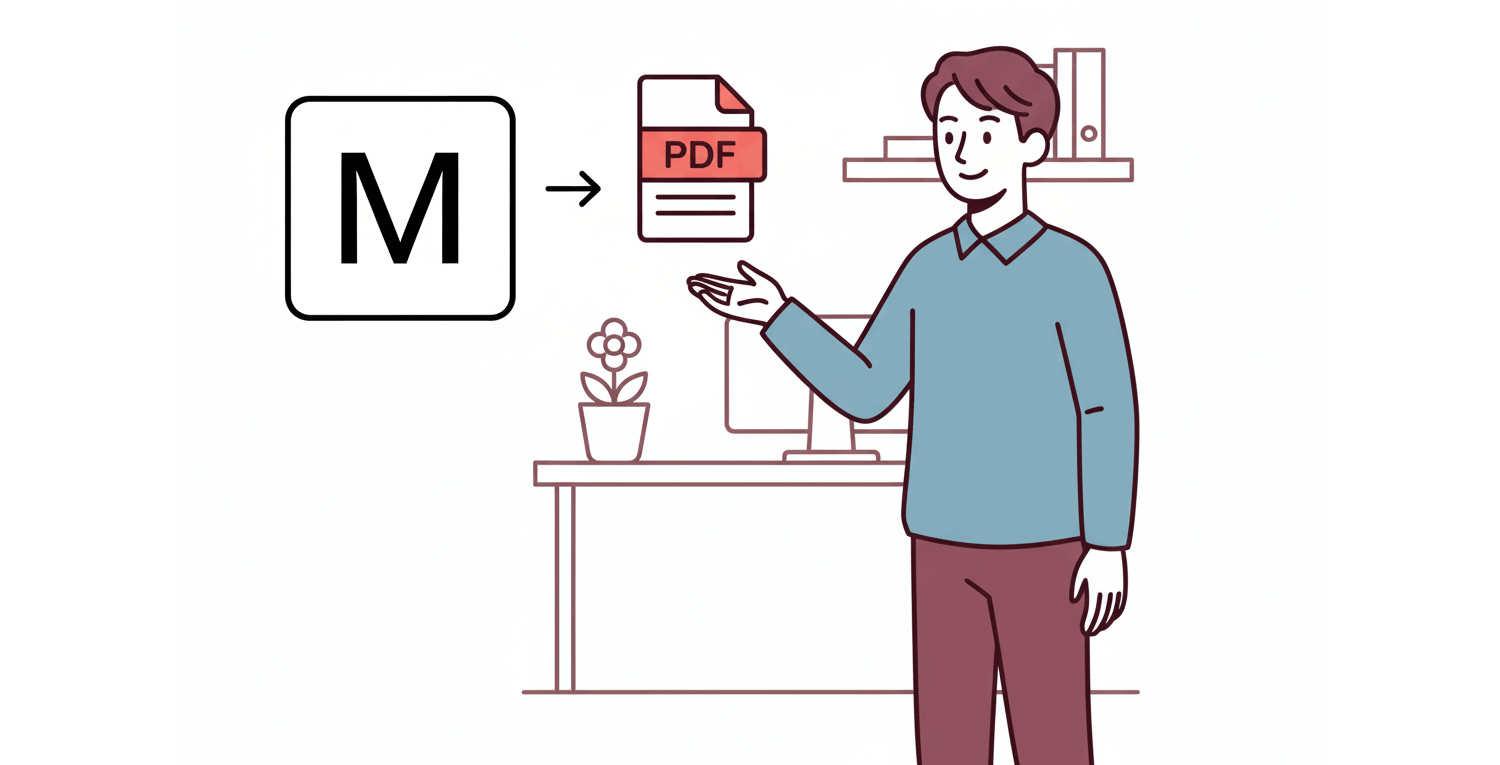
Convert Markdown to PDF with a single REST API call. Step-by-step guide covering raw Markdown, Jinja2 templates, custom CSS, and no-code integrations.

Convert Markdown to PDF with a single REST API call. Step-by-step guide covering raw Markdown, Jinja2 templates, custom CSS, and no-code integrations.
Document Automation APIs are transforming the way businesses handle their paperwork. In this article, we will look at 10 creative ways to use document automation API for your business processes!
In this article, We will talk about how to generate PDF using Python, and we will introduce multiple libraries like FPDF, Reportlab, Pyppeteer and Pdfkit and the difference between them.
Selenium or Puppeteer? Compare browser support, speed, language compatibility, and use cases to pick the right web automation tool for your project.
Learn 4 ways to generate PDF documents in Retool: the built-in PDF Exporter, utils.downloadPage, APITemplate.io, and CraftMyPDF - compared side-by-side.
In this article, we will introduce another tool that can be used to automate PDF generation from HTML in Python. PDFKit is another Python library that can be used to convert HTML pages into PDFs. It wraps the wkhtmltopdf command line tool. PDFKit is easy to use and can handle complex PDF generation tasks like tables and multi-page documents.
Add dynamic QR codes to your PDFs two ways - with JavaScript libraries or APITemplate's built-in render function - plus best practices for size, contrast, and placement.
Convert HTML to PDF the right way. Tips for CSS, performance, and page setup, plus the top tools and real-world use cases across industries.
In this article, I will be showing you how to create printer-friendly with CSS, so you can enjoy a smoother online experience – all with a simple trick.
PHP is one of the most powerful server-side scripting languages available today. In this article, I'll demonstrate how to create PDF files with third-party PHP PDF libraries like FPDF, TCPDF, DOMPDF, html2PDF and APITemplate.io's REST API.
Privacy Overview
Necessary cookies are always on. The others are only set if you allow them, and you can change your mind at any time from “Manage consent” at the bottom of every page. Our Privacy policy has the details.
Needed for the site to work and to remember the choice you make here. They are always on and cannot be switched off.
Google Analytics and Microsoft Clarity show us how visitors use the site: which pages are read, where visitors come from, and, in Clarity, recordings of clicks and scrolling. Clarity does not load until you allow this.
Lets Google Analytics share visits with Google Ads, so we can see which ads lead to a sign-up and show you relevant ads on other sites.